Innovation Catalyst · Intuit / WePay
2011–2013
Design thinking in practice.
Helping teams learn and practice design thinking
User problem and why it mattered
How might we help teams learn and practice design thinking, so they can apply it to their own work?
Impact
- Co-designed a learning-via-experimentation experience for about 30 global CEOs with Scott Cook and Tim Brown.
- Coached and taught design thinking principles and tools to about 140 Fast Path I & II leadership training participants, alongside training for new Innovation Catalysts.
- Helped the WePay team turn observations from customer visits into shared themes and ideas to explore through a workshop I designed and facilitated.
My contribution
- Design thinking: workshop design, facilitation, and coaching
- Cross-functional collaboration: leadership training and community methods
Timing
- Intuit role
- February 2011–September 2012
- World Economic Forum workshop
- May 2012
- Independent WePay workshop
- March 29, 2013
Teaching design thinking
I co-designed and facilitated a learning-via-experimentation session for about 30 global CEOs at the May 2012 World Economic Forum, working with Scott Cook (Intuit founder) and Tim Brown (IDEO CEO).
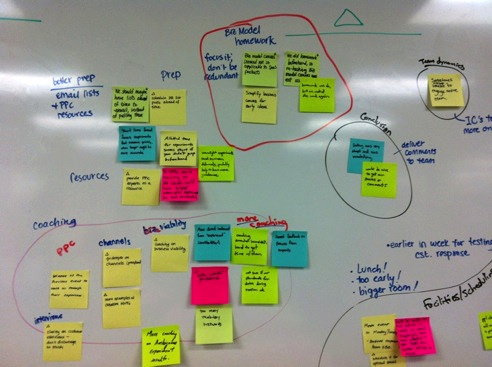
Across this work, I coached leaders and new Innovation Catalysts through workshop exercises, tools, and debriefs. This included Fast Path I & II leadership training programs, reaching about 140 participants, as well as everyday coaching opportunities.


Developing the community
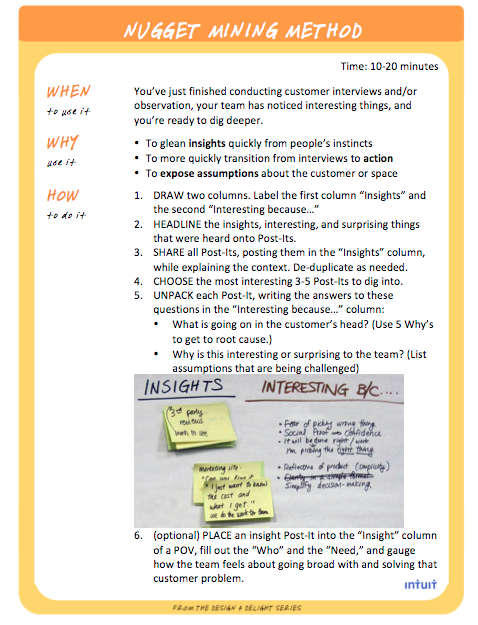
I helped develop Intuit’s Innovation Community by leading modules in new Innovation Catalyst training, reaching about 30 or more participants. I also created tools and methods for the community and led workshops where people could build their skills.
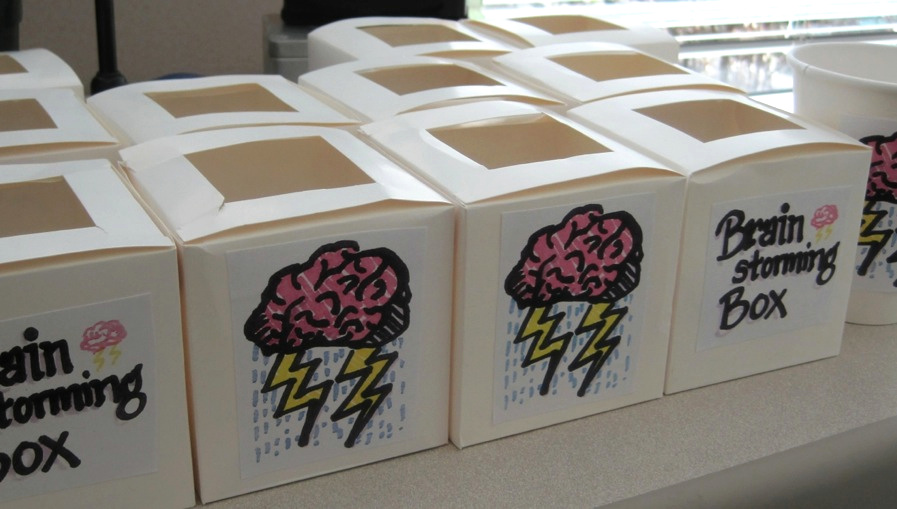
Beyond Intuit: WePay · 2013
A former Intuit colleague who knew my previous Innovation Catalyst work invited me to design and facilitate a workshop for WePay in March 2013. Although I had left Intuit, I continued to apply and share the practice beyond the company.
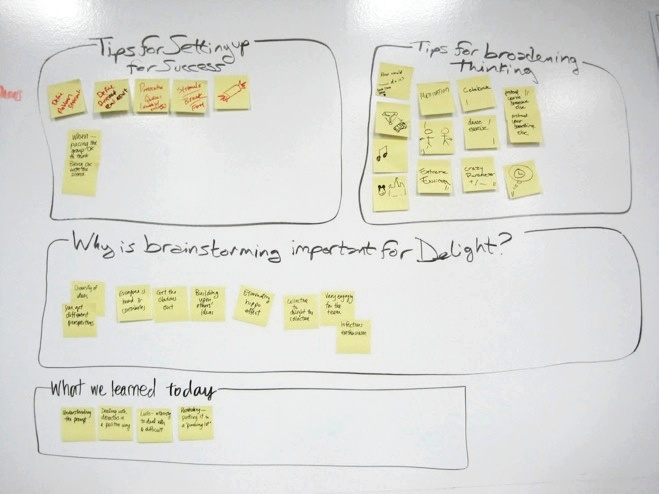
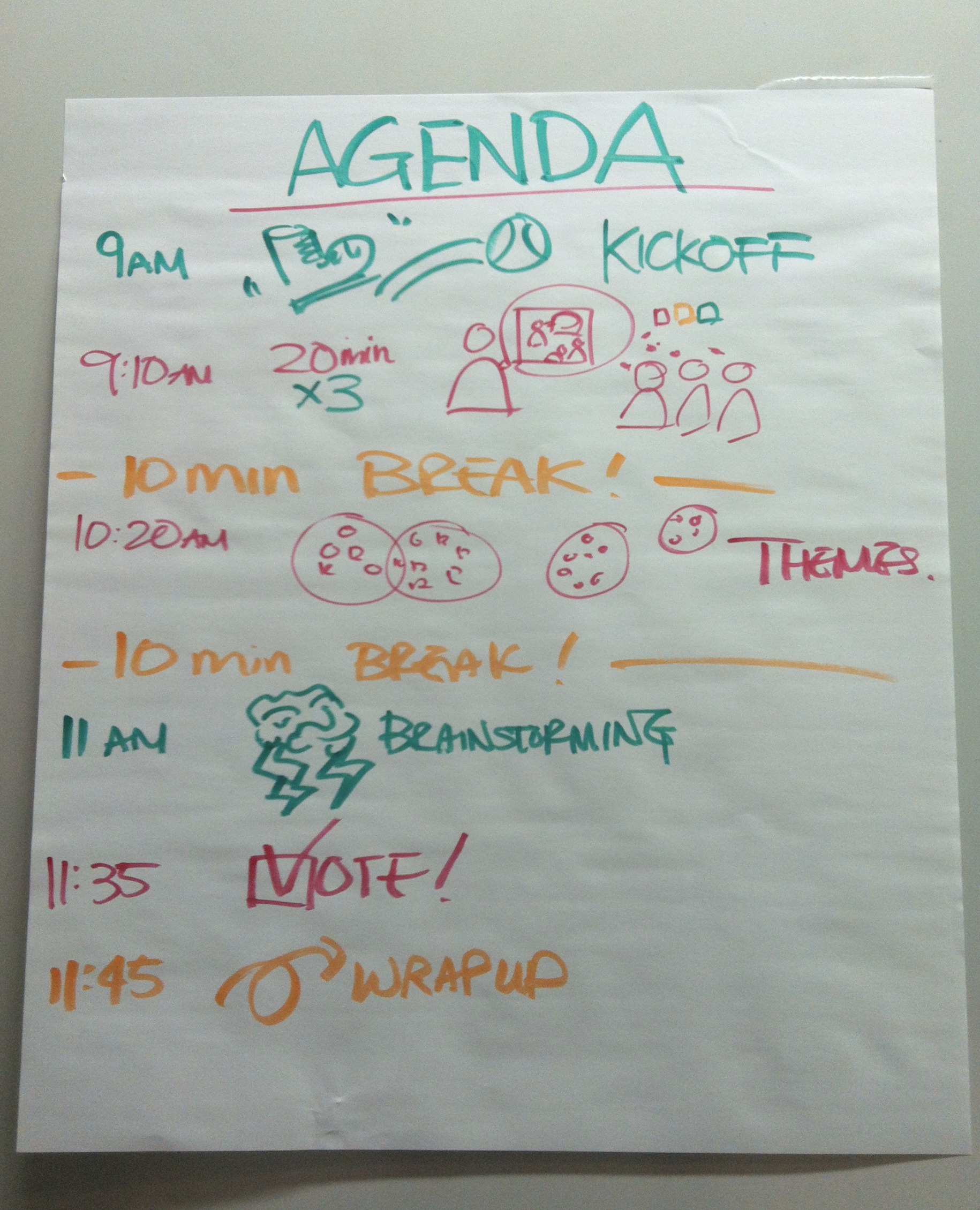
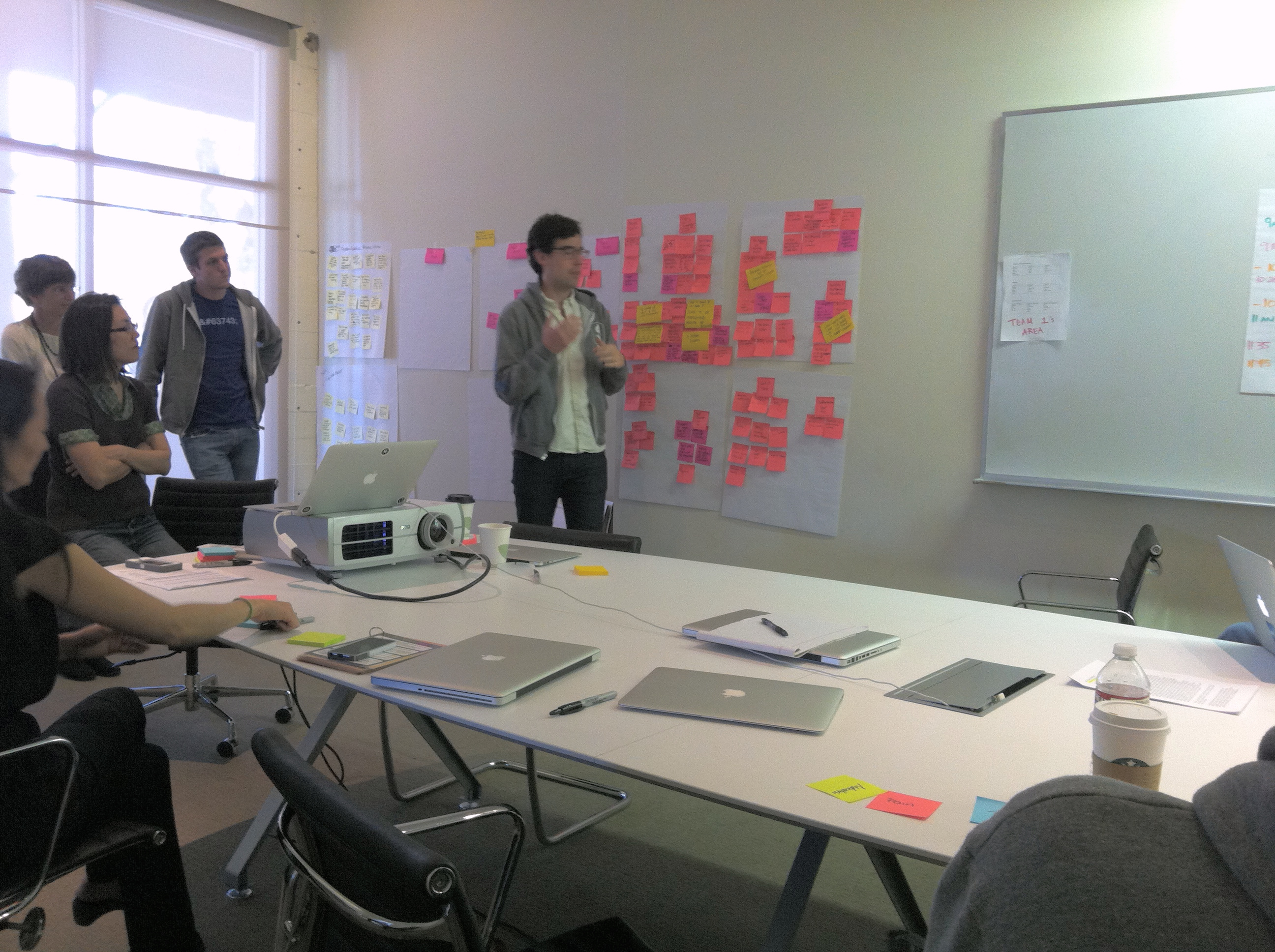
The WePay team had conducted customer visits and wanted help making sense of what they had learned. I structured the session around sharing customer observations, grouping tasks, motivations, and pain points into themes, then brainstorming and prioritizing ideas for the team to explore.
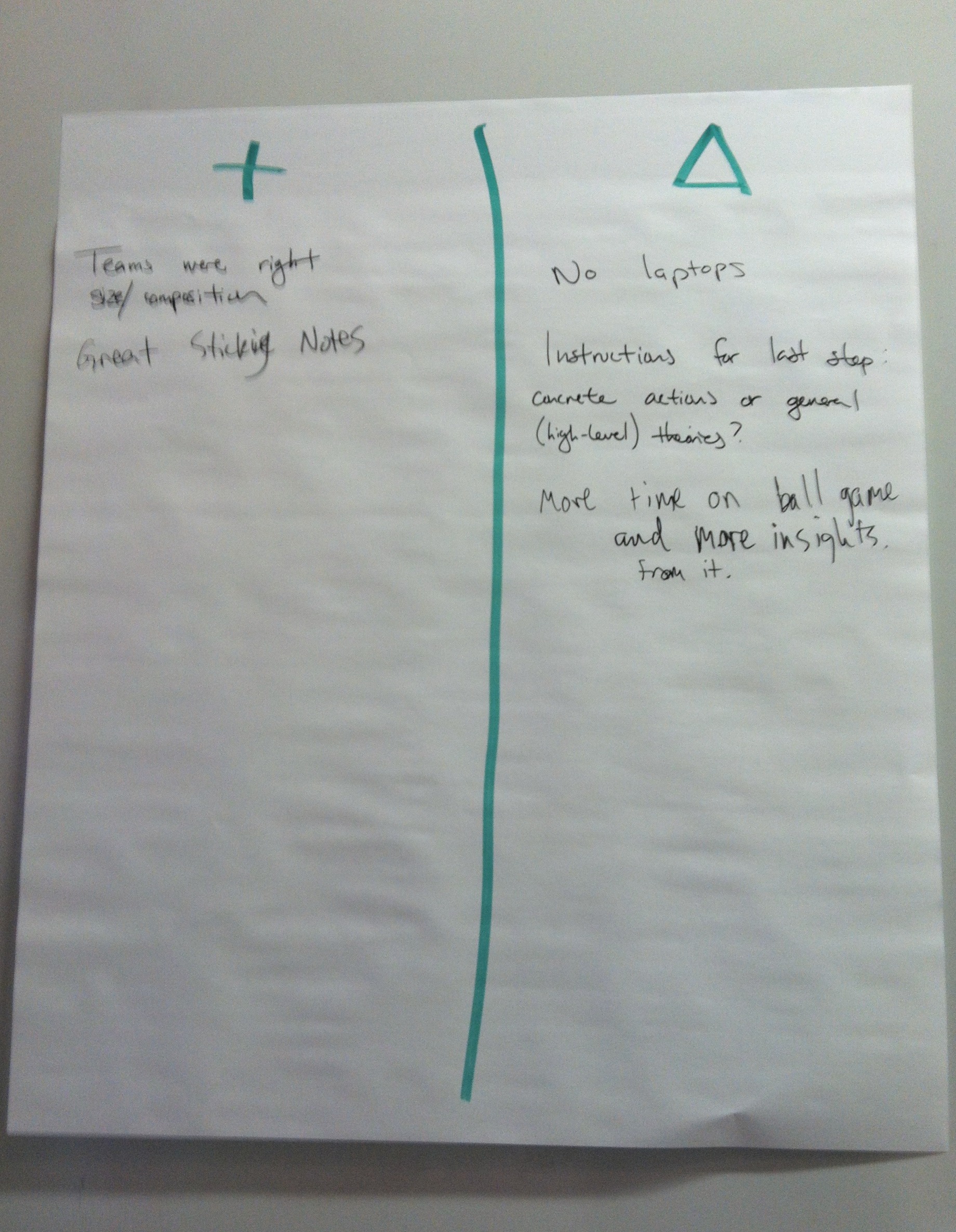
I closed with a plus/delta debrief to gather feedback on what worked and what could be improved.
In late July 2013, the same former colleague reached out again to ask for my help launching customer co-design sessions, building on the work we had done together. The sessions would bring customers and teams together to understand problems and storyboard or prototype ideas. We couldn’t align schedules, so unfortunately the follow-up workshop did not take place.
Outcome
Through the leadership sessions, coaching, and community materials, I helped teams practice design thinking in their own work. At WePay, that meant bringing customer observations together into shared themes and prioritizing ideas to explore. The later invitation to help with customer co-design sessions offered a chance to build on that work, although scheduling prevented the follow-up workshop from taking place.